Sunday, August 06, 2006

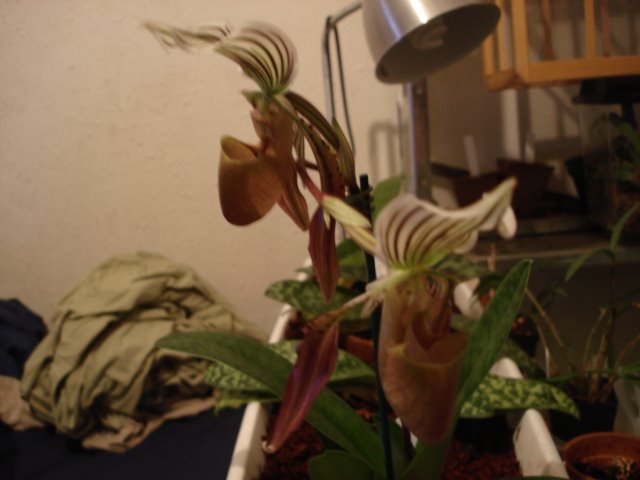
Paphiopedilum (Claire de Lune x philippinense var. alba)


This is an absolutely fantastic plant. It is the only multifloral paph I have, and it looks a lot like philippinense (the original form) but with shorter petals and mottled leaves. The flowers are huge. The best part is, because it has Maudiae in its parentage it not only gets the mottled leaves but it is easier to grow than the philippinense parent. One of the best first multifloral paphs, in my opinion.

Lilium lancifolium 'Citronella'

Lilium lancifolium (syn. L. tigrinum) is the true tiger lily (many people see an orange lily or even daylily and call it a tiger lily!). The real tiger lily is a fantastic plant growing to 4 or even 5 feet tall. The flowers are smaller than other lilies but much more numerous; my plants are young and each produced around 15. Of course they are ususally orange with black spots; the cultivar 'Citronella', pictured here, is yellow. A pink cultivar is also available. They all have strongly reflexed petals/sepals. This was the very last flower left on one of my three plants when I returned home; I photographed it just before it too fell off! For next year I'll be hunting for the original and the pink variety.

I'm Back!


Well I've been vacationing on Vancouver Island for the past 3 weeks but I'm back now, and wow has my garden changed! Pictured here is Lilium orientalis 'Stargazer', my favorite lily. I have a clump with 8 stems plus a seperate single-stemmed plant. Unfortunately by the time I got back they were pretty much done but there were still a few flowers left. I completely missed my L. orientalis 'Casablanca' (damn it!), which has pure white flowers. All of these Oriental lilies have an amazing fragrance.

Thursday, July 13, 2006

Lilium 'Pink Perfection'

This is a fantastic selection of trumpet lily. It smells amazing. This plant reached over 4' in height this year with flowers over 6" across!

Alcea 'Chater's Double Pink'

Hollyhocks are fantastic sun plants and their height of 8' can yield many uses. They make very good cutflowers. The Chater's Double Group selections resemble roses and come in many different colors. Remember that Alcea are biennials and must be replaced after two years. Start seeds every year so you always have fresh stock to plant. They are very easy from seed.

Monarda 'Marshall's Delight'


Monarda or beebalm are wonderful plants that work well in sun or shade. They have aromatic flowers and foliage, attracting butterflies and bees. This is one of the best selections, being very mildew resistant, a problem with beebalms.

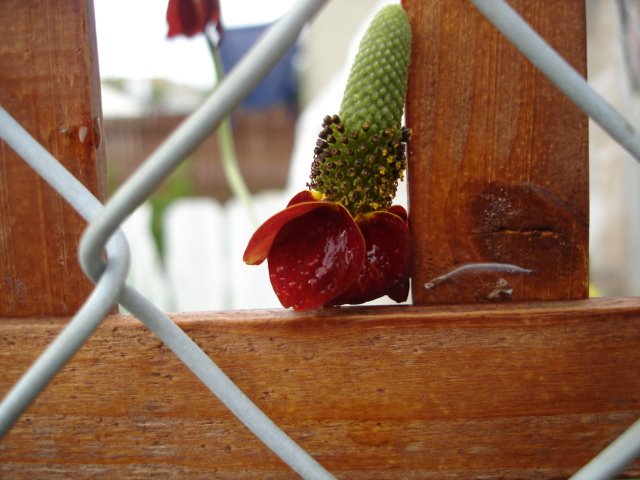
Ratibida


The yellow flower is Ratibida columnifera, prairie coneflower. The other is R. columnifera var. pulcherrima, red/brown prairie coneflower. These foot tall seedlings will soon reach 3' in height with much larger flowers.

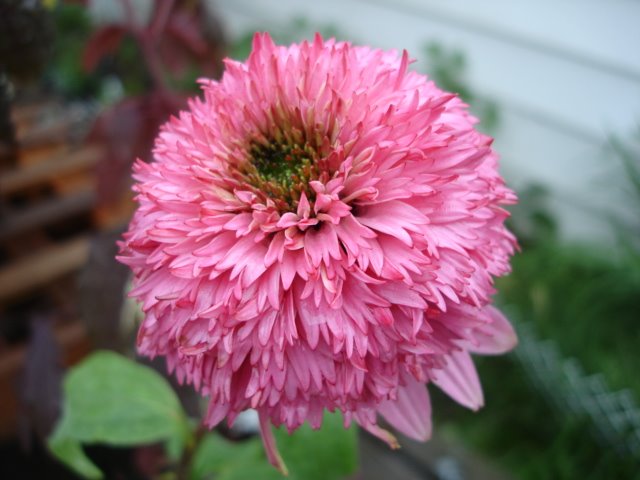
Echinacea purpurea 'Razzmatazz'

This fantastic coneflower selection experienced a shortage for a couple of seasons, but this year I was finally able to get my hands on one.

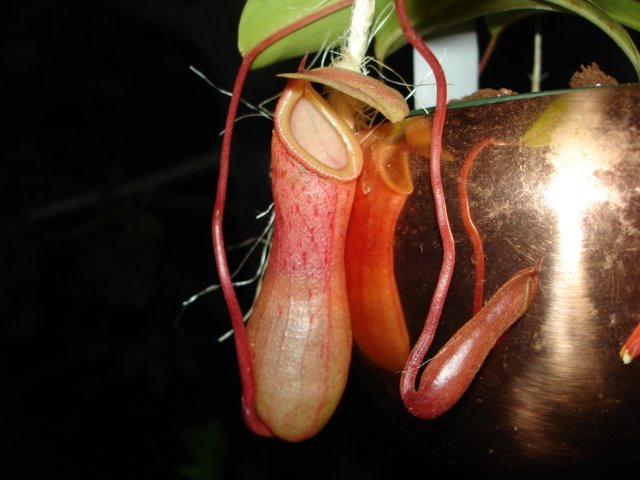
Nepenthes ventricosa

Nepenthes ventricosa is a tropical pitcher plant species, a carnivorous plant. I hang it on a tree branch in my back yard. The pitchers are about 3" long and 1" wide.

Lilium regale

I may have mentioned this before, but I love lilies (my favorite non-orchid plants), and I'm trying to collect as many as I can this year. This trumpet lily species is a classic, with a baby powder-like scent that fills the entire garden with freshness and enchantment. It has performed well from a newly-purchased bulb this spring, reaching 3' in height and producing five full-sized flowers.

Corydalis flexuosa 'China Blue'

I absolutely LOVE Corydalis, which are related to Dicentra (bleeding hearts). Unfortunately I am having trouble with them this year due to a very hot and dry summer, but it has managed to flower for me.

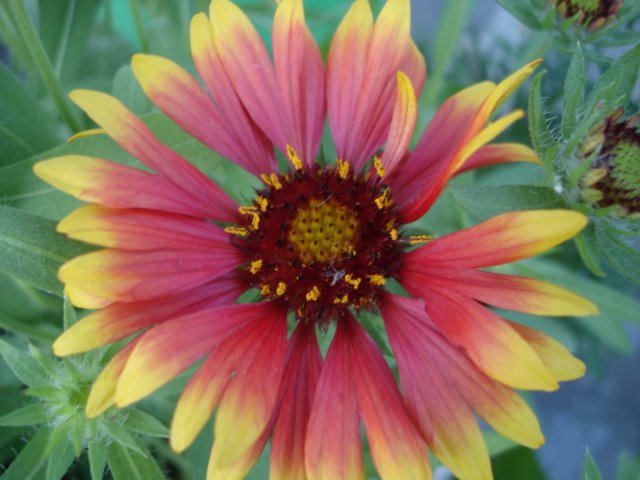
Gaillardia 'Goblin'

Gaillardia (blanketflower) are wonderful plants for the sunny border, and this is one of the best selections. I must admit this is my first year trying them out. They are fantastic.

Gaillardia 'Goblin'

Gaillardia (blanketflower) are wonderful plants for the sunny border, and this is one of the best selections. I must admit this is my first year trying them out. They are fantastic.

Cypripedium at Local Botanic Gardens


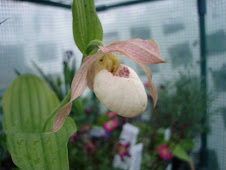
Almost a month ago I visited a local botanic garden. C. parviflorum was growing everywhere; this pic is of var. pubescens, a specimen with over 50 flowers, each with pouches the size of a large chicken egg! The clump was about 2' tall by 2' wide. The other pic is of C. passerinum (sparrow's egg lady's slipper). This was a nice-sized clump about 10" tall, the flowers VERY tiny.

Tuesday, June 13, 2006

Cypripedium parviflorum in the wild


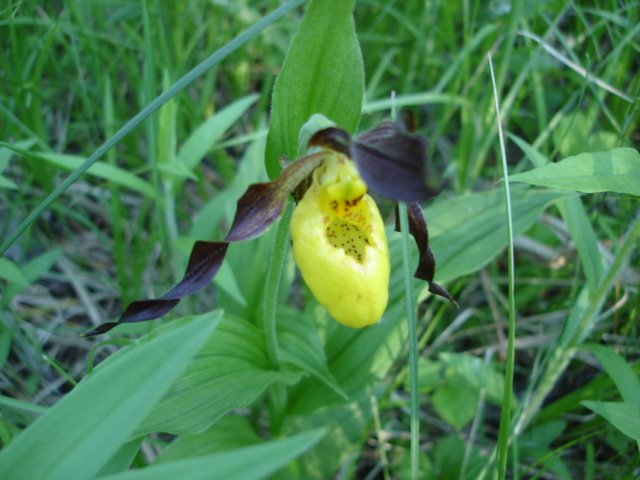
I visited a local natural area this past weekend, where yellow slippers grow like weeds. I got 163 pics of them; these are a couple of the better ones. There were parviflorum and pubescens varieties; these are both pubescens. They grew anywhere from 8" to 16" tall with 3-4" flowers and the tepals were either light yellow-green, reddish, or rarely maroon. Out of the thousands I saw only 3 were maroon like the one pictured here. This huge flower was on a single-stemmed plant that peeked out of the grass. The big clump pictured is the typical form but the biggest one I saw, with 36 flowering stems. Most had around 5-8. It takes a plant 8-16 years to flower from seed, and they slowly spread after that. The parviflorums were 3-8" tall, mostly growing in grass and very easy to step on. Amazing! I also hunted for C. passerinum in this area; I couldn't find the other trail where it is alleged to grow. Better luck next year.
Cypripedium parviflorum var. parviflorum

Here is that same small yellow slipper; the flower is more open now.

Clematis 'General Sikorski'

This is my first clematis. This first bloom is 3" across; once mature the plant will grow 8-10' tall and 3-4' wide, with 8" flowers. It is currently 5' tall and 1.5' wide (maybe 2').

Bletilla striata var. abla? Not!

I am a little ticked because I bought 4 bulbs this spring that were supposed to be the white version of the little pink orchid I've posted before. However, they've turned out to be B. striata! Here is the first flower.

Bearded iris


Bearded iris are fantastic garden plants. These pictured here are in containers temporarily while the bed they grow in is renovated. They are the only bearded varieties I have, and I don't know what they are. The purple and white one has been in our garden for as long as I can remember and I don't know how they got there (there are many of them). They were in huge clumps that were very desperate for division; I divided them last year and this year they are responding amazingly; Iris usually take two seasons to bloom well again after dividing. The yellow and red-purple one I bought last year for very cheap at a garage sale and this year it is twice the size. Because I have such a limited selection of Iris I am striving to get more.

Iris sibirica


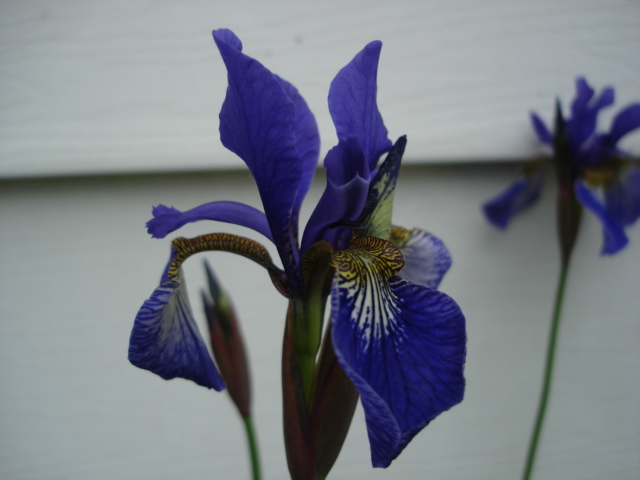
The original species of Siberian iris is in my opinion the most beautiful of that type. This beautiful plant was given to us many years ago by a friend of my grandma's who owns a botanical garden. I divided it a couple years ago; it is blooming profusely for the first time this year (it bloomed a LITTLE last year). The species forms attractive clumps that should be divided every 5 years or so to maintain vigour, and blooms in June with beautiful blue-violet flowers with silver and yellow marks. An established clump will produce 25 flowers or more. This one should make around 10-15 this year. This is my favorite iris species besides I. versicolor; I'm starting to really like I. setosa var. arctica, I. cristata, and I. reticulata. The species are way better than the hybrids, I think.