Sunday, September 24, 2006
Paphiopedilum Parvisepalum Species/Hybrids
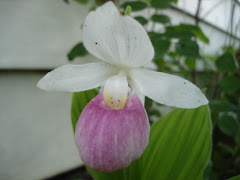
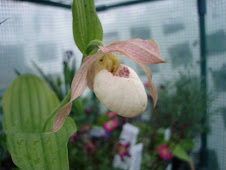
I have already passed the level in paph growing where I need to try something new, and my target is Parvis. I have succeeded with Maudiae hybrids, novelties and complex, as well as the species P. insigne. I love parvis, but haven't been able to find any until now. I've finally joined my local orchid society, so my connections have greatly increased. I no longer have to rely on garden centers for orchids; now I can get them from the pros. At my first meeting (where many orchids are sold) I found a Paph. delenatii, a spectacular species with pink and white flowers and my favorite orchid. A previously bloomed plant for $15. As I was examining it and the vendor was ready to sell, a woman came up and said "No sales until one o'clock!". So, I figured I would sort of hang around until then; I walked away for 5 minutes and when I returned the delenatii was gone, and another woman was holding it! That bastard!!! Anyway, though I missed out on that, I still got a bloom-sized Joyce Hasegawa x chamberlainianum. A big multi growth plant for $30. It should bloom within 3 months, and apparently it has big, round flowers in pink or white (multifloral). Just what I like! The leaves are gorgeous - darkly mottled and peppered purple on the undersides. Exciting!


Phragmipedium Grande
 Phrag. Grande (caudatum x longifolium) is the best caudatum-type hybrid in my opinion. Having been bred in the late 1800s, it's tried and true. It has very large, dramatic flowers with a rich mahogany lip, lighter sepals and long, spiralling, purple-pink petals up to a foot long. A mature plant reaches 2.5-3' tall in spike, and it produces 2-6 flowers on a spike which are open more or less at the same time. It will bloom for many weeks in this way. To bloom, it needs high light levels (like a west or south window). This type of phrag is best not grown in water like the besseae types but should be watered frequently. Also, they tolerate tap water better than the besseae types. I bought this plant very recently at a local orchid society meeting for $65.
Friday, August 25, 2006
Paphiopedilum Z4135 x charlesworthii
 To be honest I have no idea what "Z4135" is but I suspect it's a clone of Maudiae, since this wonderful hybrid has mottled leaves (unlike charlesworthii). The flowers are also a deep purple-red throughout; charlesworthii has more of a tannish pouch and petals, and the petals are smaller (and the pouch is rounder). However the flower retains the veining and spectacular dorsal of charles. I spotted this hybrid in full bloom a couple weeks ago and it's still blooming at home! Charlesworthii is one of my fav paph species and this should hold me until I get one!
Phalaenopsis Maki Watanabe


This is my favorite Phal hybrid and the only Phal I actually own. The flowers are 4" across, making it one of the most showy phals. Phalaenopsis are considered the easiest orchid to grow and the best beginner's orchid; personally if you live in a temperate area I think Bletilla are the easiest orchids to grow. Phals though as far as tropical orchids go are the best first orchid, as long as you do not purchase one from a home store... these orchids are usually in rough shape and even if they aren't they are always potted in moss which makes them very easy to overwater and kill for the beginner. Get one from a reputable nursery.
Monday, August 14, 2006
Aconitum henryi 'Spark's Variety'
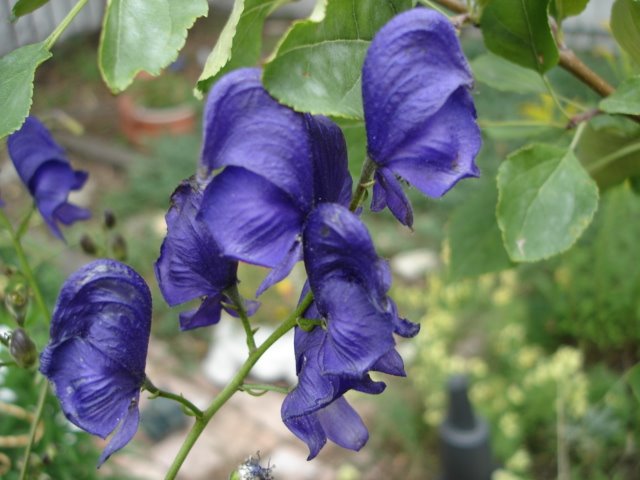 If you like delphiniums but you don't have a sunny spot for them, monkshood (Aconitum spp.) is the answer to all your problems! Though they don't look exactly like delphiniums, they are very similar with these sprays of interesting flowers (and grow tall), and they actually prefer shade!
Strange flower on peacock glad
 I have a grouping of 10 Acidanthera bicolor (peacock gladiolus), and for some reason one of them made this unusual flower.
Chrysanthemum Firecracker 'Suncatcher'
 The new Firecracker series of garden mums is outstanding. 'Suncatcher' has sun-yellow flowers with fluted florets.
Delphinium Magic Fountains 'Blue and White Bee'
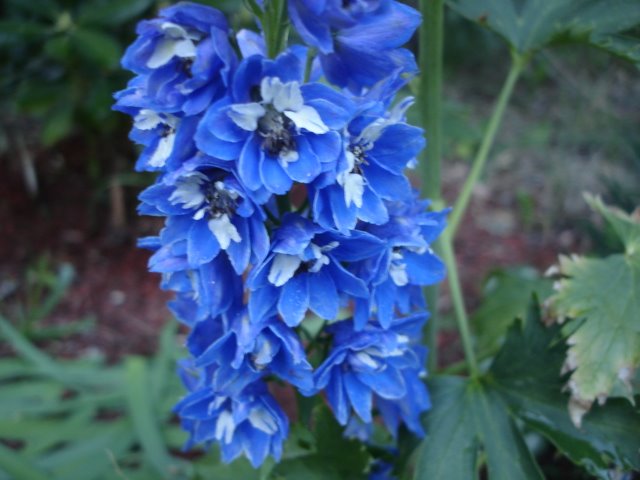 I love delphiniums and this may be my favorite cultivar. Blue is my favorite color and it really is difficult to find a true blue flower - this satisfies.
Monarda 'Petite Delight'
 This is an outstanding beebalm cultivar. This plant is no more than 8" tall and the lilac flowers are absolutely gorgeous. Perfect for the front of a sunny or shady border, the foliage is very aromatic and it attracts butterflies.
Echinacea tennesseensis 'Rocky Top Hybrids'
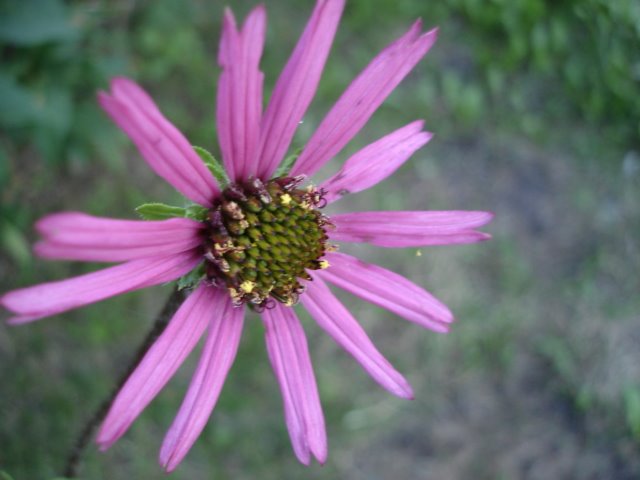 This is one of my favorite coneflower cultivars. It has these beautiful, upturned flowers.
Sunday, August 06, 2006
Paphiopedilum (Claire de Lune x philippinense var. alba)
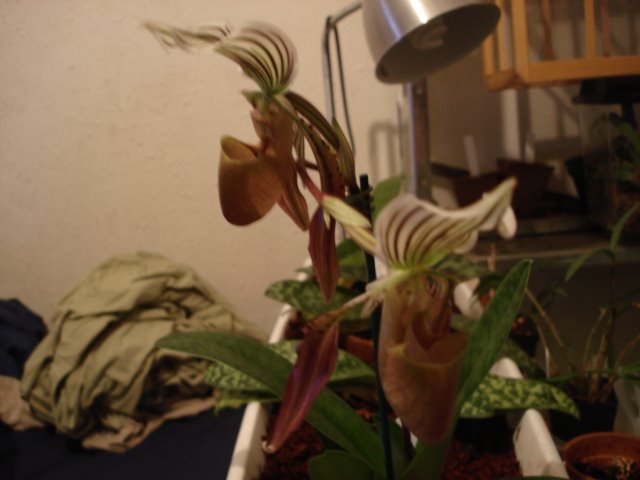
 This is an absolutely fantastic plant. It is the only multifloral paph I have, and it looks a lot like philippinense (the original form) but with shorter petals and mottled leaves. The flowers are huge. The best part is, because it has Maudiae in its parentage it not only gets the mottled leaves but it is easier to grow than the philippinense parent. One of the best first multifloral paphs, in my opinion.
Lilium lancifolium 'Citronella'
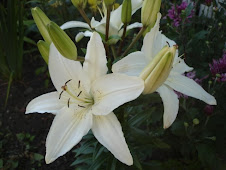
 Lilium lancifolium (syn. L. tigrinum) is the true tiger lily (many people see an orange lily or even daylily and call it a tiger lily!). The real tiger lily is a fantastic plant growing to 4 or even 5 feet tall. The flowers are smaller than other lilies but much more numerous; my plants are young and each produced around 15. Of course they are ususally orange with black spots; the cultivar 'Citronella', pictured here, is yellow. A pink cultivar is also available. They all have strongly reflexed petals/sepals. This was the very last flower left on one of my three plants when I returned home; I photographed it just before it too fell off! For next year I'll be hunting for the original and the pink variety.
I'm Back!


Well I've been vacationing on Vancouver Island for the past 3 weeks but I'm back now, and wow has my garden changed! Pictured here is Lilium orientalis 'Stargazer', my favorite lily. I have a clump with 8 stems plus a seperate single-stemmed plant. Unfortunately by the time I got back they were pretty much done but there were still a few flowers left. I completely missed my L. orientalis 'Casablanca' (damn it!), which has pure white flowers. All of these Oriental lilies have an amazing fragrance.
Thursday, July 13, 2006
Lilium 'Pink Perfection'
 This is a fantastic selection of trumpet lily. It smells amazing. This plant reached over 4' in height this year with flowers over 6" across!
Alcea 'Chater's Double Pink'
 Hollyhocks are fantastic sun plants and their height of 8' can yield many uses. They make very good cutflowers. The Chater's Double Group selections resemble roses and come in many different colors. Remember that Alcea are biennials and must be replaced after two years. Start seeds every year so you always have fresh stock to plant. They are very easy from seed.
Monarda 'Marshall's Delight'

 Monarda or beebalm are wonderful plants that work well in sun or shade. They have aromatic flowers and foliage, attracting butterflies and bees. This is one of the best selections, being very mildew resistant, a problem with beebalms.
Ratibida
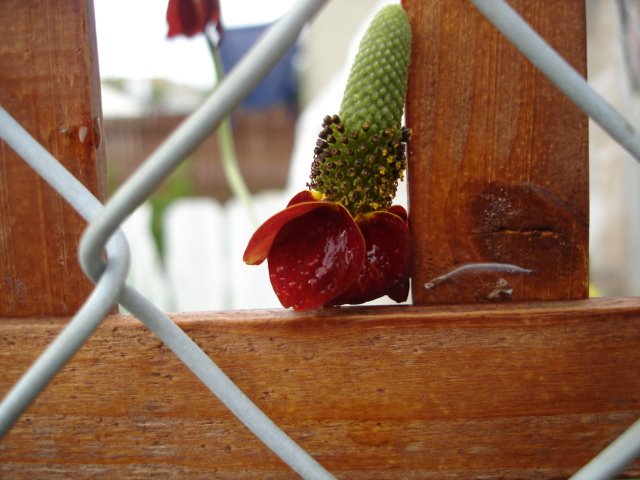
 The yellow flower is Ratibida columnifera, prairie coneflower. The other is R. columnifera var. pulcherrima, red/brown prairie coneflower. These foot tall seedlings will soon reach 3' in height with much larger flowers.
Echinacea purpurea 'Razzmatazz'
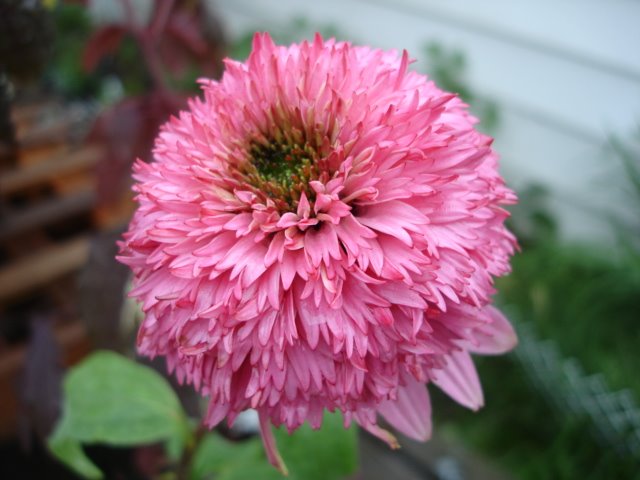 This fantastic coneflower selection experienced a shortage for a couple of seasons, but this year I was finally able to get my hands on one.
Nepenthes ventricosa
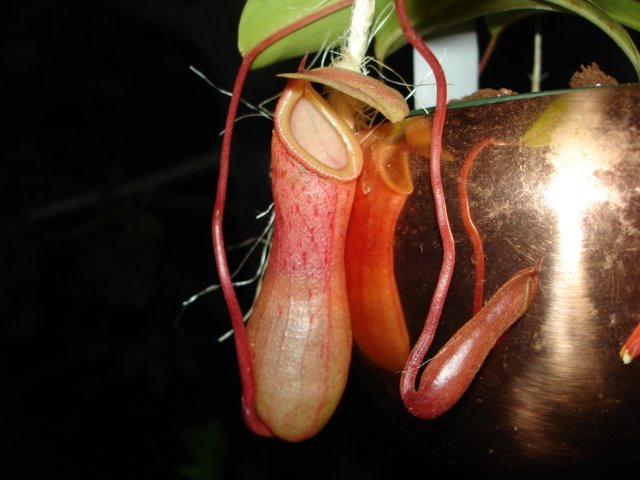 Nepenthes ventricosa is a tropical pitcher plant species, a carnivorous plant. I hang it on a tree branch in my back yard. The pitchers are about 3" long and 1" wide.
Lilium regale
 I may have mentioned this before, but I love lilies (my favorite non-orchid plants), and I'm trying to collect as many as I can this year. This trumpet lily species is a classic, with a baby powder-like scent that fills the entire garden with freshness and enchantment. It has performed well from a newly-purchased bulb this spring, reaching 3' in height and producing five full-sized flowers.
Subscribe to:
Posts (Atom)